

Dates have long been a staple in Middle Eastern diets, celebrated for their natural sweetness, nutritional richness, and cultural significance. Among the many varieties, kurma bam is particularly prized for its unique flavor, soft texture, and high quality. This variety originates from Bam, a historic city in Iran known for its fertile soil and ideal climate for date cultivation. As demand for dates continues to grow globally, kurma bam has become a symbol of premium quality, sought after by consumers and businesses alike. Understanding its cultivation, storage, and market dynamics provides insight into why kurma bam remains a cornerstone of the date industry.
The Origins of Kurma Bam
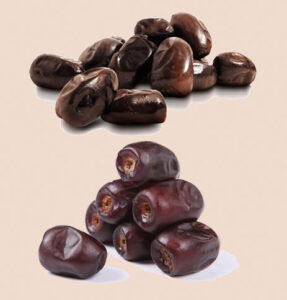
Kurma bam takes its name from the city of Bam in southeastern Iran, a region historically renowned for its date palms. The area’s climate, with hot summers and mild winters, creates ideal conditions for date cultivation. Farmers in Bam have perfected techniques over centuries, ensuring that kurma bam maintains its reputation for excellence. The variety is distinguished by its dark color, soft flesh, and rich sweetness, making it a favorite among consumers worldwide.
Nutritional Value of Kurma Bam
Kurma bam is not only delicious but also highly nutritious. It is rich in natural sugars such as glucose and fructose, providing quick energy. The fruit also contains fiber, which supports digestion, and essential minerals like potassium, magnesium, and iron. Antioxidants present in kurma bam help combat oxidative stress, reducing the risk of chronic diseases. These nutritional benefits make kurma bam a superfood, suitable for athletes, health-conscious individuals, and anyone seeking natural alternatives to processed snacks.
Cultivation Practices
The cultivation of kurma bam requires careful attention to soil, water, and climate. Farmers in Bam rely on traditional methods passed down through generations, combined with modern agricultural practices. Irrigation is essential, as date palms require significant water to thrive. Farmers often use underground water channels, known as qanats, to supply palms with consistent moisture. Pruning, pollination, and pest management are also critical steps in ensuring high-quality yields. These practices highlight the dedication of farmers to preserving the excellence of kurma bam.
Harvesting Techniques
Harvesting kurma bam is a labor-intensive process that requires skill and precision. Farmers climb tall date palms to collect ripe fruit, often using ropes or ladders. The dates are carefully cut and lowered to the ground to prevent damage. Timing is crucial, as harvesting too early or too late can affect flavor and texture. Once harvested, dates are sorted, cleaned, and packaged for distribution. This meticulous process ensures that kurma bam retains its premium quality from farm to consumer.
Storage Practices
Proper storage is essential to maintain the freshness and flavor of kurma bam. Dates should be kept in cool, dry conditions to prevent spoilage. Airtight containers protect them from moisture and pests, while refrigeration extends shelf life. For long-term storage, freezing is an effective option, preserving flavor and texture for up to a year. Businesses handling large quantities, such as pengedar kurma, rely on advanced storage facilities to ensure consistent quality. These practices guarantee that kurma bam remains fresh and nutritious over time.
Global Demand for Kurma Bam
The global demand for kurma bam has grown significantly in recent years. Consumers in Europe, Asia, and North America increasingly seek premium date varieties, recognizing their nutritional and culinary value. Kurma bam is often featured in gourmet recipes, health-conscious diets, and festive occasions. Its reputation for quality makes it a preferred choice among importers and distributors. As demand rises, farmers and suppliers must balance production with sustainability, ensuring that kurma bam remains available for future generations.
Economic Impact
Date farming plays a vital role in the economy of Bam and surrounding regions. Kurma bam contributes to local livelihoods, supporting farmers, laborers, and businesses. Export markets generate significant revenue, strengthening the region’s economic resilience. However, challenges such as water scarcity, climate change, and fluctuating market prices affect profitability. Monitoring harga kurma helps businesses and consumers navigate these challenges, ensuring fair trade and sustainable practices.
Role of Distributors and Retailers
Distributors and retailers play a crucial role in delivering kurma bam to global markets. Pengedar kurma manage large-scale storage, packaging, and transportation, ensuring that dates reach consumers in optimal condition. Retailers highlight the premium qualities of kurma bam, promoting it as a luxury product. Online platforms have further expanded accessibility, allowing consumers worldwide to purchase kurma bam directly. These distribution networks strengthen the global presence of kurma bam, reinforcing its reputation as a premium variety.
Culinary Uses of Kurma Bam
Kurma bam is versatile in culinary applications, suitable for both sweet and savory dishes. It can be eaten on its own as a nutritious snack or stuffed with nuts and cheese for gourmet appetizers. Dates are also used in baking, smoothies, and energy bars, replacing processed sugar with natural sweetness. In Middle Eastern cuisine, kurma bam is often paired with coffee or tea, symbolizing hospitality and tradition. Its adaptability makes it a favorite ingredient in kitchens worldwide.
Cultural Significance
Dates hold deep cultural and spiritual significance in many societies, particularly in Islamic traditions. Kurma bam is often consumed during Ramadan to break the fast, following the example of the Prophet Muhammad. Offering dates to guests reflects generosity and hospitality, reinforcing social bonds. In Bam, date farming is not only an economic activity but also a cultural heritage, celebrated through festivals and community gatherings. This cultural significance elevates kurma bam beyond food, making it a symbol of identity and tradition.
Challenges in Date Farming
Despite its resilience, date farming faces challenges in water-scarce regions. Kurma bam requires significant irrigation, and water scarcity threatens sustainability. Climate change exacerbates these challenges, altering rainfall patterns and increasing temperatures. Farmers must adapt by adopting modern irrigation techniques, such as drip systems, and exploring drought-resistant varieties. Addressing these challenges is essential to preserving the future of kurma bam.
Sustainability Practices
Sustainability is increasingly important in date farming. Farmers and distributors are adopting eco-friendly practices, such as using renewable energy, reducing waste, and promoting organic cultivation. These efforts align with consumer demand for ethically sourced products. Kurma bam, with its reputation for quality, benefits from sustainable practices that enhance its appeal in global markets. Collaboration between farmers, governments, and businesses ensures that date farming remains viable and environmentally responsible.
Future Outlook
The future of kurma bam depends on innovation, sustainability, and global collaboration. Advances in technology, such as precision agriculture and genetic research, offer solutions to challenges like water scarcity and pest management. Expanding export markets and promoting cultural heritage strengthen the global presence of kurma bam. With continued dedication from farmers, distributors, and consumers, kurma bam will remain a symbol of quality and tradition for generations to come.
Conclusion
Kurma bam represents the pinnacle of date farming, combining rich flavor, nutritional value, and cultural significance. From its origins in Bam to its global demand, kurma bam embodies the resilience and dedication of farmers who preserve its excellence. Proper storage practices, economic awareness, and sustainable cultivation ensure that kurma bam remains fresh and available worldwide. With support from distributors such as pengedar kurma and careful monitoring of harga kurma, the industry continues to thrive. As consumers embrace kurma bam for its culinary versatility and health benefits, it stands as a timeless fruit that bridges tradition and modern wellness.