
Dates are more than a fruit; they are cultural emblems of hospitality, abundance, and joy. Across centuries, they have graced tables as symbols of generosity and togetherness. In Malaysia, Pembekal kurma Seri Kembangan ensures that these fruits continue to connect families and communities, reminding us that food is also a language of love and belonging.
Dates as Symbols of Hospitality
Hospitality in many cultures begins with food, and dates are often the first offering to guests. Their presence on the table signals warmth, generosity, and respect. In Middle Eastern and Southeast Asian traditions, a bowl of dates is not placed casually; it is a deliberate gesture that says, “You are welcome, you belong.”
Kurma Bertangkai: Elegance in Tradition
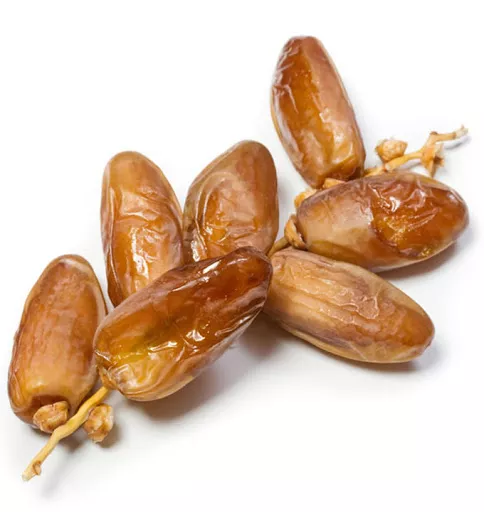
One of the most cherished varieties in Malaysia is kurma bertangkai, dates presented with stems intact. Their natural beauty makes them a centerpiece at gatherings, symbolizing abundance and continuity. Families often place bowls of kurma bertangkai on tables during Ramadan and Hari Raya, inviting guests to partake in sweetness and joy. By sourcing kurma bertangkai through Pembekal kurma Seri Kembangan, households ensure that their celebrations are infused with both elegance and tradition.

The Ritual of Offering Dates
When a guest enters a home, a bowl of dates is often the first offering. This ritual is not about nutrition alone; it is about saying, “You are part of us.” The act transforms food into a cultural symbol of generosity and joy.
Dates in Festive and Family Rituals
Dates are woven into the fabric of celebrations. They are the first food consumed at iftar, symbolizing renewal and strength. At weddings, they are offered to guests as blessings of prosperity. In each ritual, dates are more than food; they are invitations to connection, reinforcing their role as timeless treasures of joy.
Kurma Bam: Sweetness for Celebrations
Among the many varieties, kurma bam from Iran is prized for its rich flavor and soft flesh. Bam dates are particularly popular in Malaysia for festive occasions, where their sweetness enhances the joy of gatherings. Families sourcing Bam dates through Pembekal kurma Seri Kembangan can provide their guests with a fruit that not only tastes delightful but also strengthens the spirit of togetherness.
Dates as Blessings in Celebrations
At weddings, dates are offered as symbols of fertility and abundance. During Ramadan, they mark the sacred moment of breaking fast. In each case, dates are woven into rituals that celebrate life, continuity, and shared joy.

Food as Cultural Language
Food is a language, and dates are among its most eloquent words. Every variety of date tells a story: kurma bertangkai speaks of elegance, kurma bam of sweetness and prosperity. Together, they remind us that food is not only about taste but about meaning. A bowl of dates becomes a cultural text, inviting people to connect with heritage and each other.
Dates as Storytellers
Dates are storytellers of tradition. They carry the memory of desert caravans, palm groves, and family tables. Each bite is a reminder of continuity, of how food binds generations together.
The Table as a Symbol of Unity
Placing dates at the center of the table transforms meals into communal experiences. It says: “This is not just food; this is us, together.” These fruits embody the idea that eating is a shared act of joy and belonging.

Dates as Nourishment for Body and Soul
Dates are nutritional powerhouses. They provide fiber, minerals, and antioxidants that support digestion, immunity, and vitality. But in cultural contexts, this nourishment is inseparable from the joy of sharing. When families gather around a bowl of dates, they are not only feeding their bodies but also strengthening their bonds.
Energy and Vitality in Gatherings
Dates provide glucose, fructose, and sucrose — natural sugars that deliver immediate energy. This makes them ideal for celebrations, where guests need quick fuel to enjoy long evenings of connection. Unlike processed sweets, dates offer clean energy without artificial additives, reinforcing their role as wholesome companions in joyful routines.

Dates in Modern Tables
Even as lifestyles evolve, dates continue to inspire new rituals. Families prepare date-based desserts, smoothies, and drinks during festive seasons, sharing them with guests as refreshing alternatives to processed foods. Pembekal kurma Seri Kembangan ensures that households have access to premium dates for these modern rituals, sustaining the joy of connection in contemporary forms.
Creative Recipes with Dates
Dates are increasingly used in creative recipes: stuffed with nuts, paired with cheese, or blended into cakes. These innovations do not replace tradition; they extend it, showing that dates can adapt to modern tastes while retaining their cultural symbolism.

Practical Guides: Using Dates to Foster Connection
Dates are versatile in both traditional and modern contexts. Hosting with dates is a practice that transcends cultures. Placing bowls of kurma bertangkai as centerpieces invites guests into shared joy. Pairing kurma bam with tea creates intimate conversations. Using dates in desserts builds traditions that children will carry forward.
Hosting with Dates
Festive tables adorned with dates become symbols of generosity. Offering dates to guests is a way of saying, “This is our joy, and we share it with you.”
Daily Connection
Daily rituals also benefit from dates. Sharing date smoothies with family members before starting the day creates bonds. Keeping dates at the office fosters camaraderie among colleagues. Distributing dates at community events symbolizes unity and generosity.
Pembekal kurma Seri Kembangan supports these practices by supplying bulk quantities of dates, making it easy for families and communities to integrate them into daily and festive routines.
Statistical Insights: Dates in Malaysian Communities
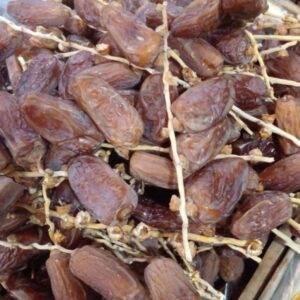
Statistics highlight the growing role of dates in Malaysian communities. Consumption trends show that demand for kurma bertangkai and kurma bam rises sharply during Ramadan and Hari Raya. Imports from Iran and Tunisia continue to expand, with Seri Kembangan serving as a hub for distribution. Nutritional data reveals that 100 grams of dates provide ~277 calories, 7 grams of fiber, and 15% of daily potassium needs. Surveys show that over 80% of Malaysian households include dates in festive rituals, reinforcing their role as symbols of connection.
Pembekal kurma Seri Kembangan connects global producers with local consumers, ensuring that traditions of connection and joy are sustained.
Conclusion
A bowl of dates is more than food; it is an invitation to connection and joy. From the elegance of kurma bertangkai to the sweetness of kurma bam, dates embody hospitality, tradition, and celebration. They nourish the body, inspire rituals, and reinforce cultural practices of sharing. At the heart of this symbolism, Pembekal kurma Seri Kembangan sustains the legacy, making sure that families and communities continue to share not just fruit, but meaning, memory, and joy.